
Shocks 101
Vehicle Air Compressor Basics: Function, Operation & Failure Signs
Why You Should Replace Air Shocks & Struts
How Air Compressors Support Ride Height & Suspension Performance
In vehicles equipped with air suspension, the air compressor supplies the pressurized air the system needs to stay level. When the compressor is working properly, the vehicle maintains the correct ride height and the suspension adapts to changing loads. If the compressor starts to fail, air suspension problems may begin to appear – often a low stance, leaning or ride-height warnings. Understanding the compressor’s role helps explain why even small drops in performance can lead to noticeable changes in how the vehicle sits and drives.
What an Air Compressor Does
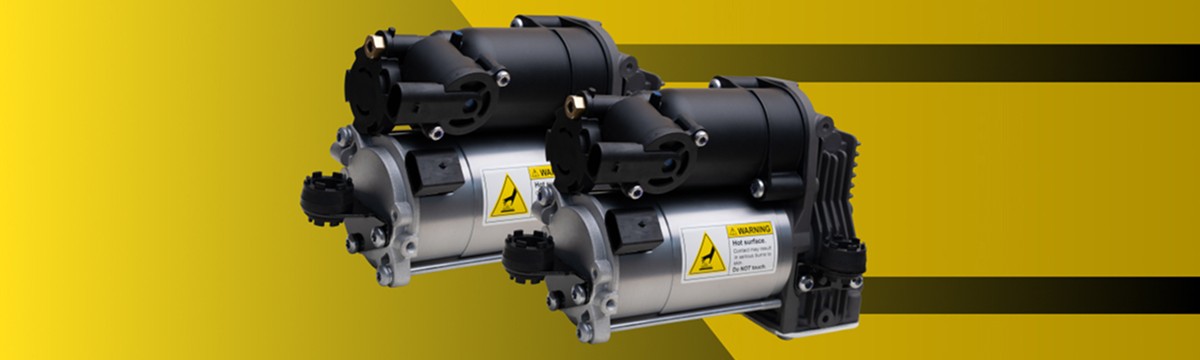
At the center of an air suspension system is a compressor that builds and maintains the pressure required to support the vehicle. It takes in ambient air, compresses it, and routes it through valves to the air springs or reservoir. The suspension control module monitors ride height and switches the compressor on when additional pressure is needed. This controlled cycle allows the system to correct sag, compensate for added weight, and maintain a stable stance. Consistent output is essential for keeping the vehicle at the proper ride height.
Signs of Compressor Failure
A failing air compressor usually shows symptoms before it stops working altogether. As it begins to weaken, the system can’t hold the pressure needed to keep the vehicle at the correct ride height. The changes are often gradual at first but become more noticeable as output drops. Common signs include:






Why Air Compressors Wear Out
Air compressors are wear-and-tear components, with time, mileage, and operating conditions all taking a toll. Common factors include:
Motor and Piston Wear
Repeated cycles create friction and heat that gradually reduce efficiency.
Seal Degradation
Internal seals dry out or crack over time, making it harder to build pressure.
Moisture Exposure
Humidity and condensation can damage internal parts and shorten compressor life.
Extended Run Times
Running too often or too long accelerates motor and component wear.
System Leaks
Even small leaks force the compressor to work harder, speeding up failure.
As these factors add up, the compressor must run longer to reach the same pressure, which accelerates the wear process.
Why You Should Replace Air Shocks & Struts
When to Replace the Air Compressor
Air compressors don’t have a fixed lifespan, but most last 6 10 years before performance starts to drop. Factors like high mileage, frequent towing, cold climates or small air leaks can shorten their service life. If the compressor starts running longer than normal, struggles to raise the vehicle or triggers suspension warnings, have your technician examine the vehicle to determine the most reliable fix. Addressing the issue early helps prevent additional strain on other suspension parts.
Why You Should Replace Air Shocks & Struts
Monroe™ Air Suspension Solutions
When it’s time to replace a worn compressor or other air suspension parts, Monroe offers a complete lineup of OE-style components designed to help restore proper ride height and stable handling. From air compressors to air shocks, air struts and air springs, each part is engineered for reliable performance and application-specific fit. Monroe air suspension components provide a dependable solution designed to keep your vehicle level and stable.
Learn more about quality shocks, struts, and strut assemblies, find the right car part, or find a local repair shop today.
The content in this article is for informational purposes only. You should consult with a certified technician or mechanic if you have questions relating to any of the topics covered herein. Tenneco will not be liable for any loss or damage caused by your reliance on any content.