Why You Should Replace Air Shocks & Struts
How the System Works Together
Air suspension systems do more than just keep a vehicle level, they constantly adjust to road conditions, load changes and driving demands. To deliver this performance, the system relies on multiple components working together to maintain proper ride height, stability and comfort. Each part plays a distinct role and seeing how they interact makes it easier to understand how the system keeps your vehicle riding level.
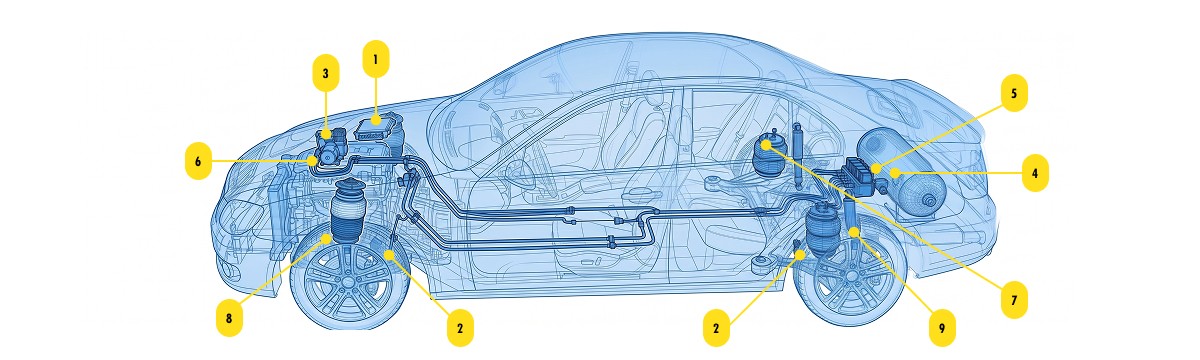
Air Suspension Components at a Glance
Take a look at the parts that make up the system and how they work together to maintain ride height and stability.
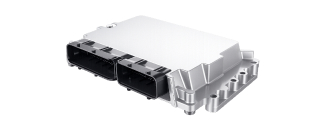
Electronic Control Unit
Serving as the command center for the air suspension system, the electronic control unit (ECU) processes the data from the ride height sensors and other inputs. It controls the compressor and valves to adjust air pressure as needed to maintain the correct ride height and balance. By continually monitoring conditions, the ECU ensures the system reacts smoothly to changes in load, speed and terrain.
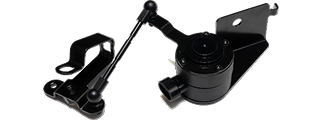
Ride Height Sensors
Measuring the distance between the suspension and the vehicle body is the job of the ride height sensors. The sensors send real-time data to the ECU to allow the system to determine whether the vehicle is sitting too high or too low and make precise adjustments. This data is crucial for maintaining stability, proper alignment and consistent handling.
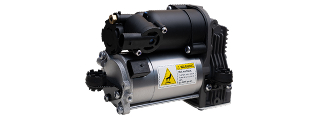
Air Compressor
The air compressor generates the pressurized air needed to inflate the air springs and maintain proper ride height. Controlled by the ECU, it activates when system pressure drops and shuts off once the target level is reached. A reliable compressor ensures consistent suspension response and reduces strain on other components by keeping the system properly supplied with air.
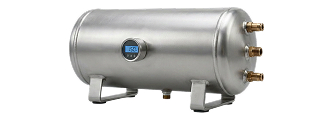
Air Tank
The air tank stores compressed air so the system can make quick adjustments without relying on the air compressor. By holding a reserve supply, it helps the system respond faster to changes in ride height and reduces compressor cycling.
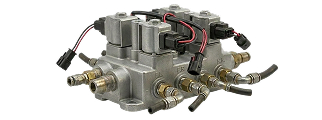
Air Valves
Air valves regulate airflow between the compressor, tank and air springs, allowing the system to inflate or deflate each corner as needed. Controlled by the ECU, they enable precise adjustments that maintain proper ride height and vehicle balance. Reliable valve operation is essential for smooth transitions and consistent suspension performance.
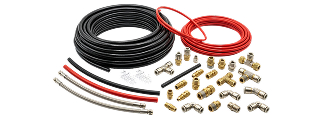
Air Hoses & Lines
Air hoses and lines carry pressurized air between the compressor, tank, valves and air springs. Built to withstand pressure, heat and vibration, they form pathways that allow the system to adjust the ride height. Properly sealed, durable lines are essential for preventing leaks and ensuring the suspension responds accurately and quickly.
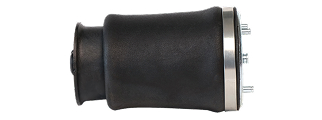
Air Springs
Air springs support the vehicle's weight and adjust ride height by inflating or deflating based on load and driving conditions. As part of the suspension, they absorb road impacts and help maintain a level stance, improving comfort, stability and overall control. This ability to adapt allows the system to compensate for cargo, passengers and uneven terrain.
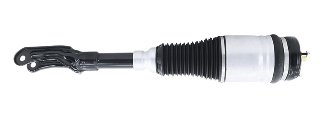
Air Struts
Air struts integrate an air spring with a structural strut assembly, providing both load support and damping in a single unit. Because they serve as a key structural component of the suspension, they help maintain proper ride height, absorb road impacts, and support steering and alignment stability. This combination delivers precise control of ride quality and handling across different driving conditions.
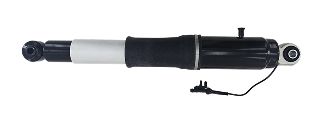
Air Shocks
Air shocks combine traditional shock absorbing damping with air assisted support. Unlike air struts, they work alongside the vehicle's existing springs rather than serving as structural suspension components. They help control body movement during acceleration, braking and cornering while providing additional support for ride height when carrying varying loads or towing.
Why You Should Replace Air Shocks & Struts
How Air Suspension Components Work Together
All these components work together to enable the air suspension system to work as a coordinated network of sensing, control and air-management parts. Ride height sensors monitor the vehicle’s position and send continuous readings to the ECU, which determines when adjustments are needed. The compressor and air tank supply pressurized air, while valves and lines route it to the appropriate springs, struts or shocks. As each component performs its job, the system maintains proper ride height, adapts to load changes and helps keep the vehicle stable and level across varying road conditions. Together, these parts help the suspension be responsive while balancing comfort, control and drivability.

Learn more about quality shocks, struts, and strut assemblies, find the right car part, or find a local repair shop today.
The content in this article is for informational purposes only. You should consult with a certified technician or mechanic if you have questions relating to any of the topics covered herein. Tenneco will not be liable for any loss or damage caused by your reliance on any content.