Section A - Storage of Used Shock Absorbers and Struts
- Store used shock absorbers/struts in containers that are in good condition (no severe rusting, apparent structural defects, or deterioration) and do not leak.
- Label all containers “Used Oil”.
- If there is a spill or release of oil to the environment from used shock absorbers/struts, follow the instructions given in number 5 of section C, below.
- Either: a) Disassemble the used shock absorbers/struts to recycle the oil. (Follow instructions given in section B and C, below). OR b) Properly dispose of the used shock absorbers/struts.
Section B - How To Disassemble Used Units to Recycle Oil
For Low Pressure Twintube (135 PSI) or Conventional Twintube:
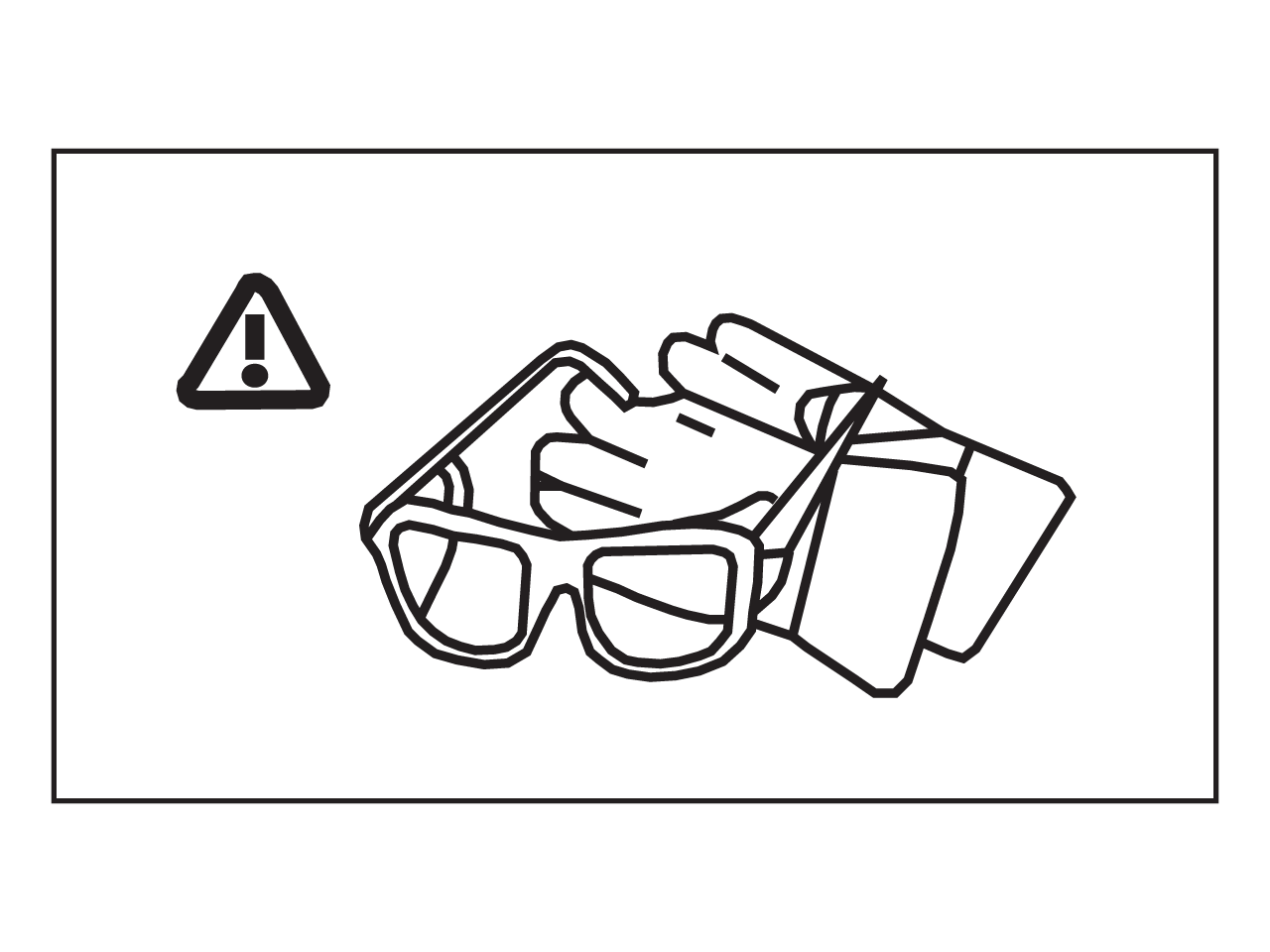
FOR SAFETY REASONS, ALWAYS WEAR SAFETY GLASSES AND PROTECTIVE GLOVES.
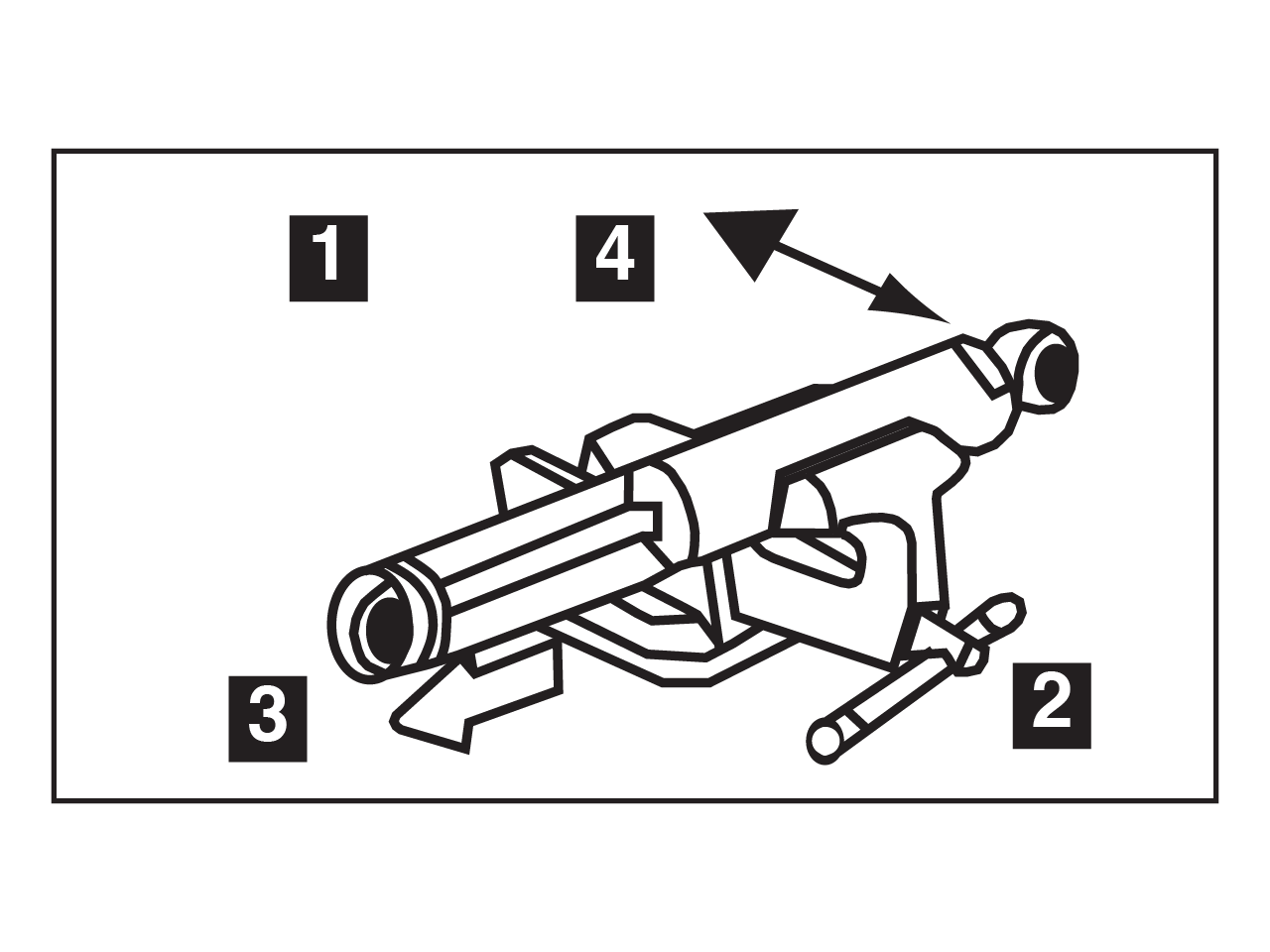
- Place shock absorber in a horizontal position in a vice.
- Make sure the shock absorber is secure and cannot move during the drilling operation.
- Before drilling, pull out the rod until fully extended.
- Check whether the unit is a high pressure monotube or low pressure twintube type. All high pressure monotube shock absorbers have a special marking “high pressurized-do not heat or open”. If the unit is a High Pressure Monotube design, refer to the High Pressure Monotube section below for next steps before proceeding.
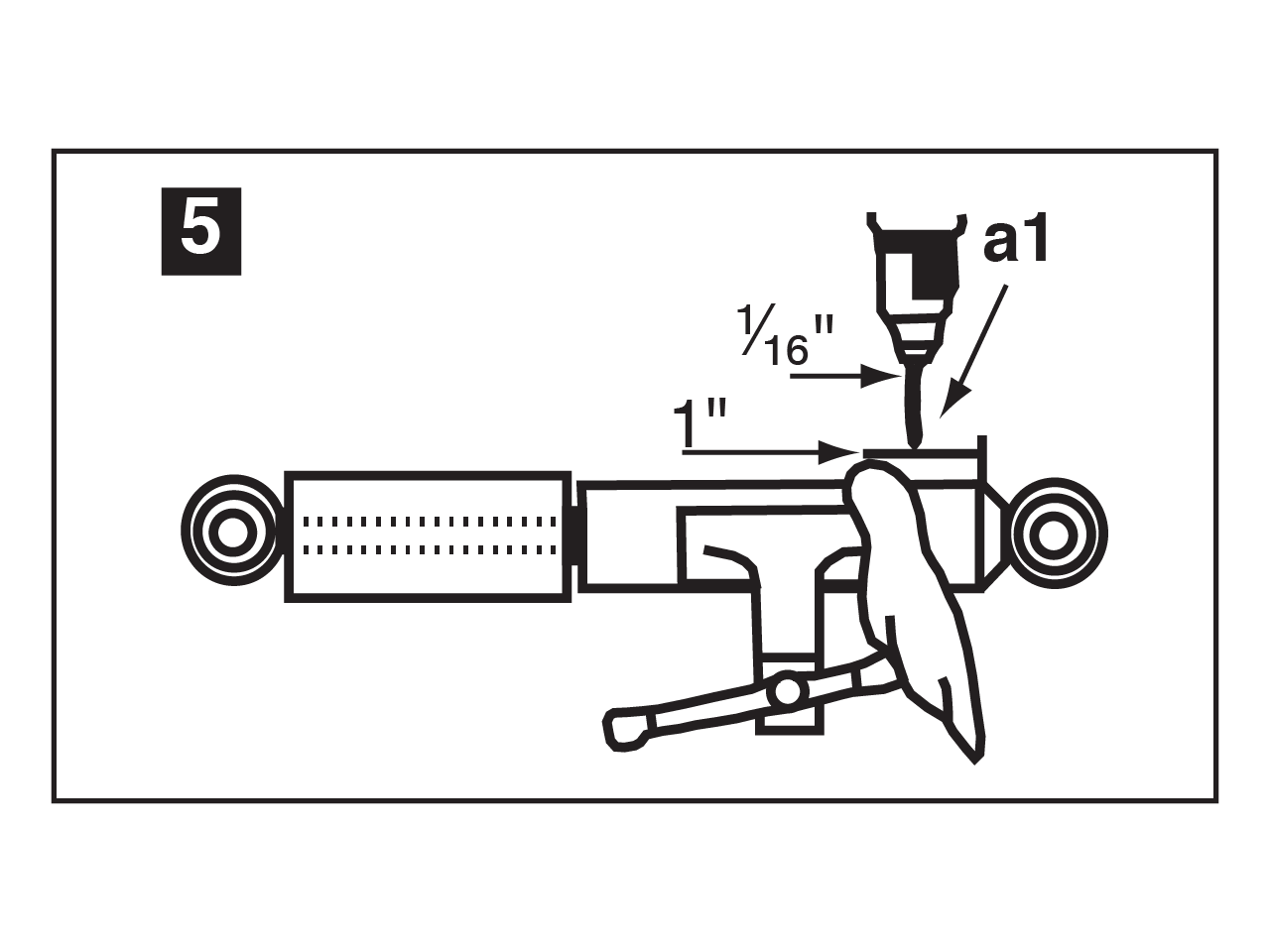
- For low pressure Twintube designs, drill a 1⁄16" hole in the reserve tube (a1), 1" from the lower body end. It is quite possible that the gas pressure may force oil out of the hole while drilling and therefore precautions should be taken to restrict the flow by placing a cloth around the area.
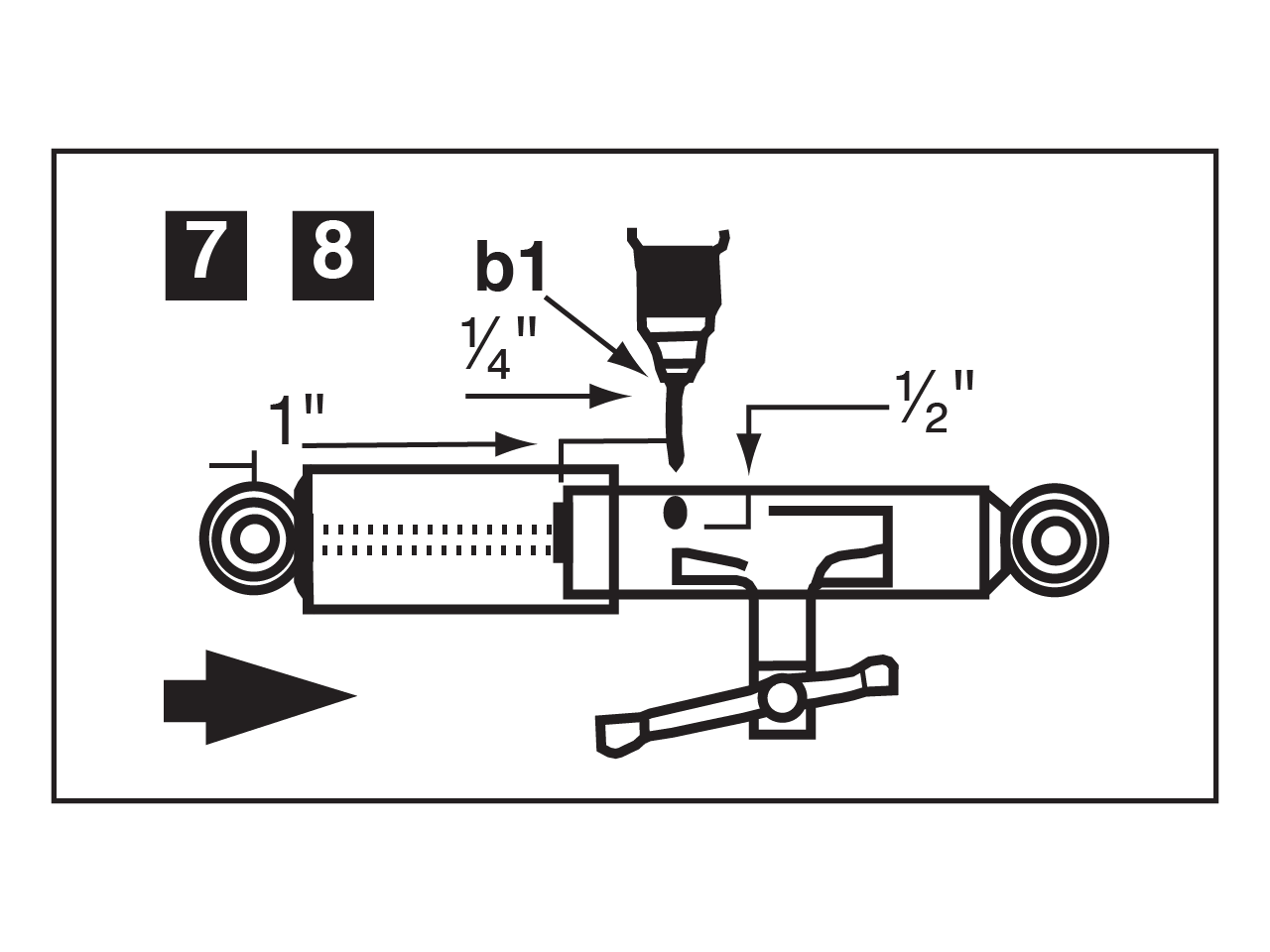
- After the gas pressure is released, drill a 1⁄4" hole at (a1), 1⁄2" deep.
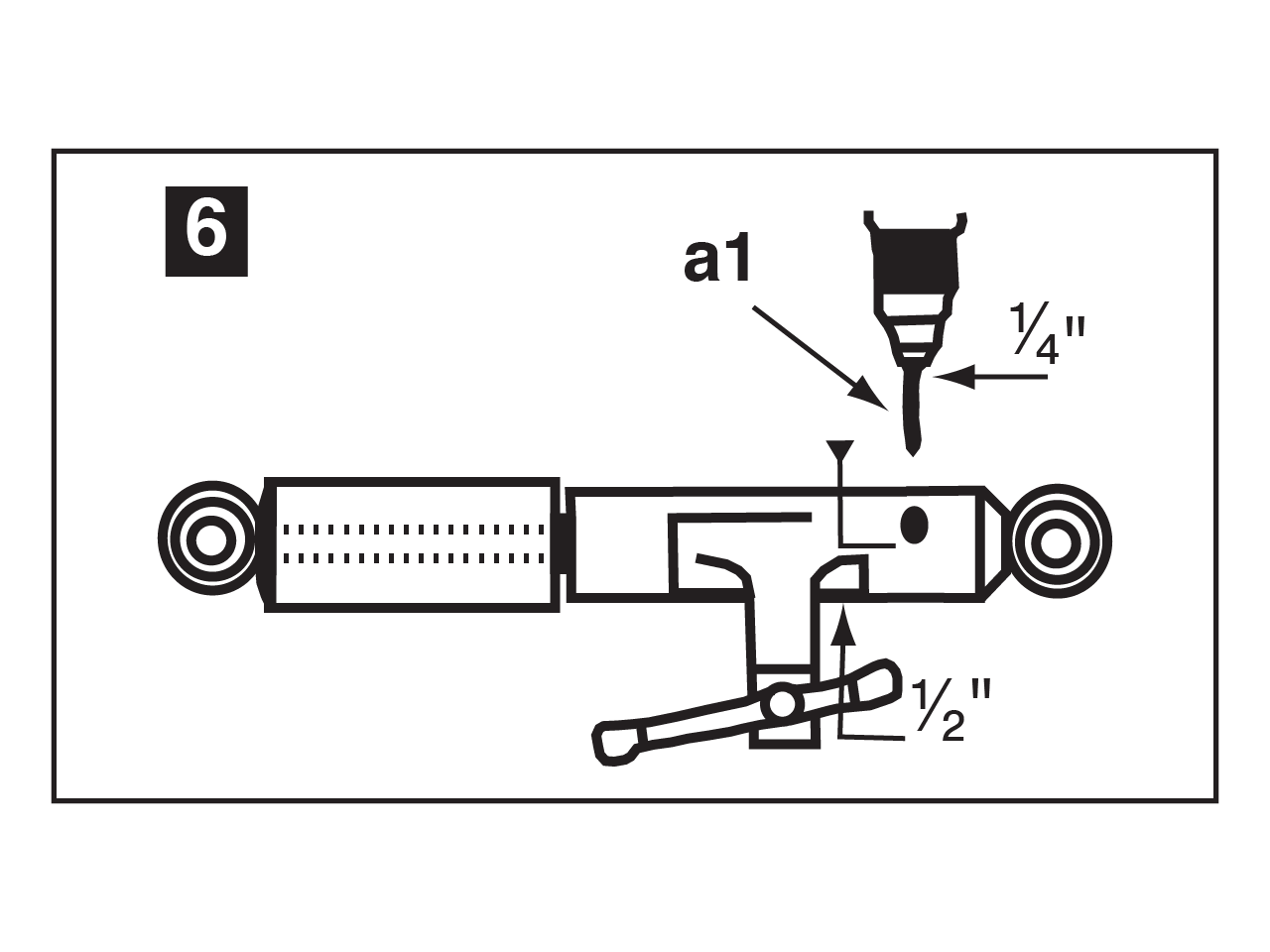
- Compress the shock absorber by minimum 1".
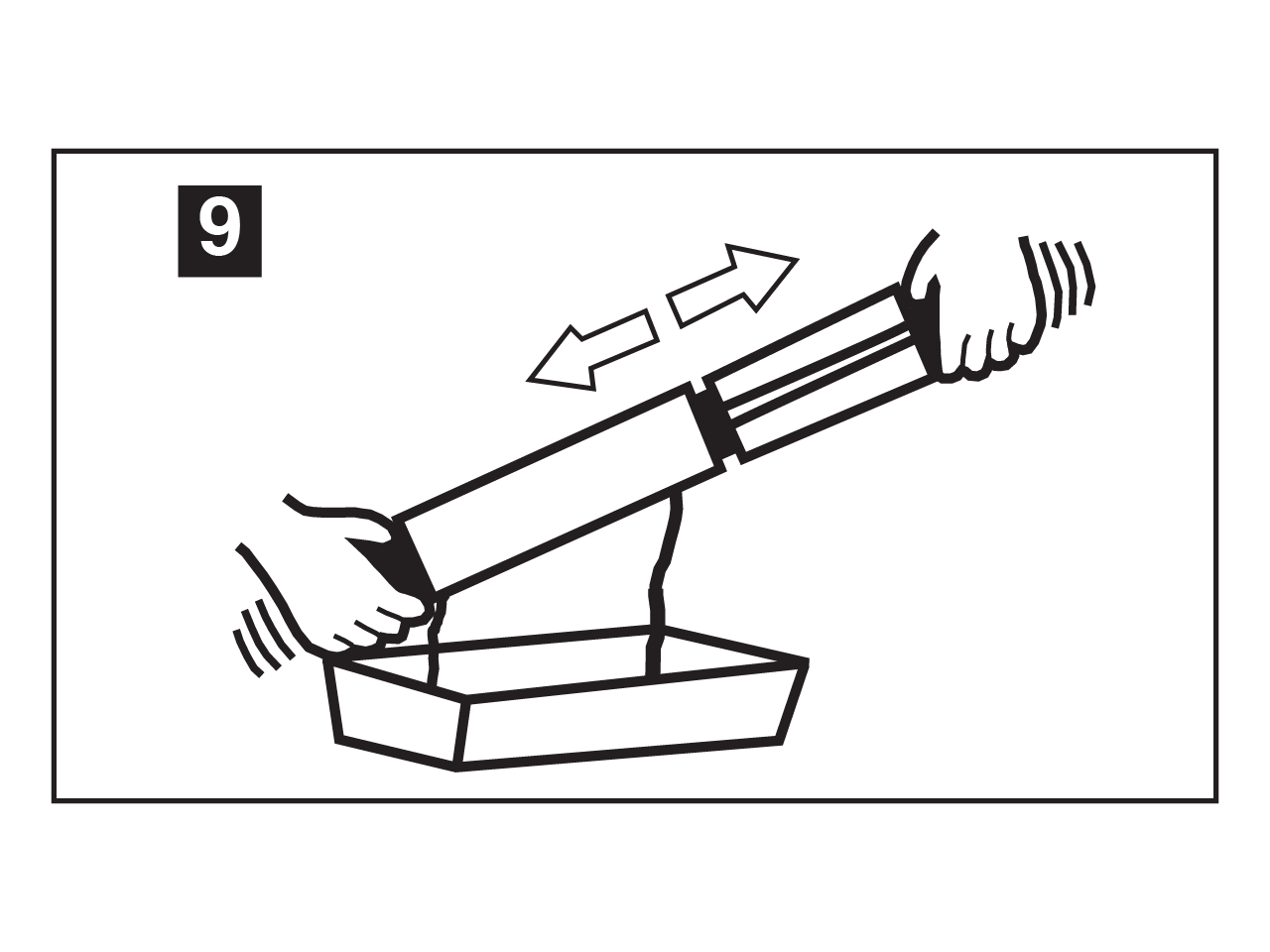
- Drill another 1⁄4" hole, 1⁄2" deep, 1" from the top side (b1). Remove the unit from the vice and hold it over a suitable container to collect the oil.
- Move piston rod up and down to accelerate oil removal.
- The shock absorber oil needs to be disposed of in an appropriate container (to be treated like motor oil) in accordance with U.S. Waste Disposal Laws.
- Check with the local authorities for information about where the oil and remaining parts should be disposed of.

For High PressuRe Monotubes (400 PSI):
FOR SAFETY REASONS, ALWAYS WEAR SAFETY GLASSES AND PROTECTIVE GLOVES.
- Place shock absorber in a horizontal position in a vice.
- Make sure the shock absorber is secure and cannot move during the drilling operation.
- Before drilling, pull out the rod until fully extended.
- Check whether the unit is a high pressure monotube or low pressure twintube type. All high pressure monotube shock absorbers have a special marking “high pressurized-do not heat or open”.
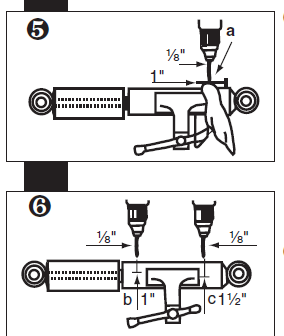
- For high pressure monotube designs, drill a small 1⁄8" hole, 1" from the lower body end (a) in order to remove the gas. It is quite possible that the gas pressure may force oil out of the hole while drilling and therefore precautions should be taken to restrict the flow by placing a cloth around the area.
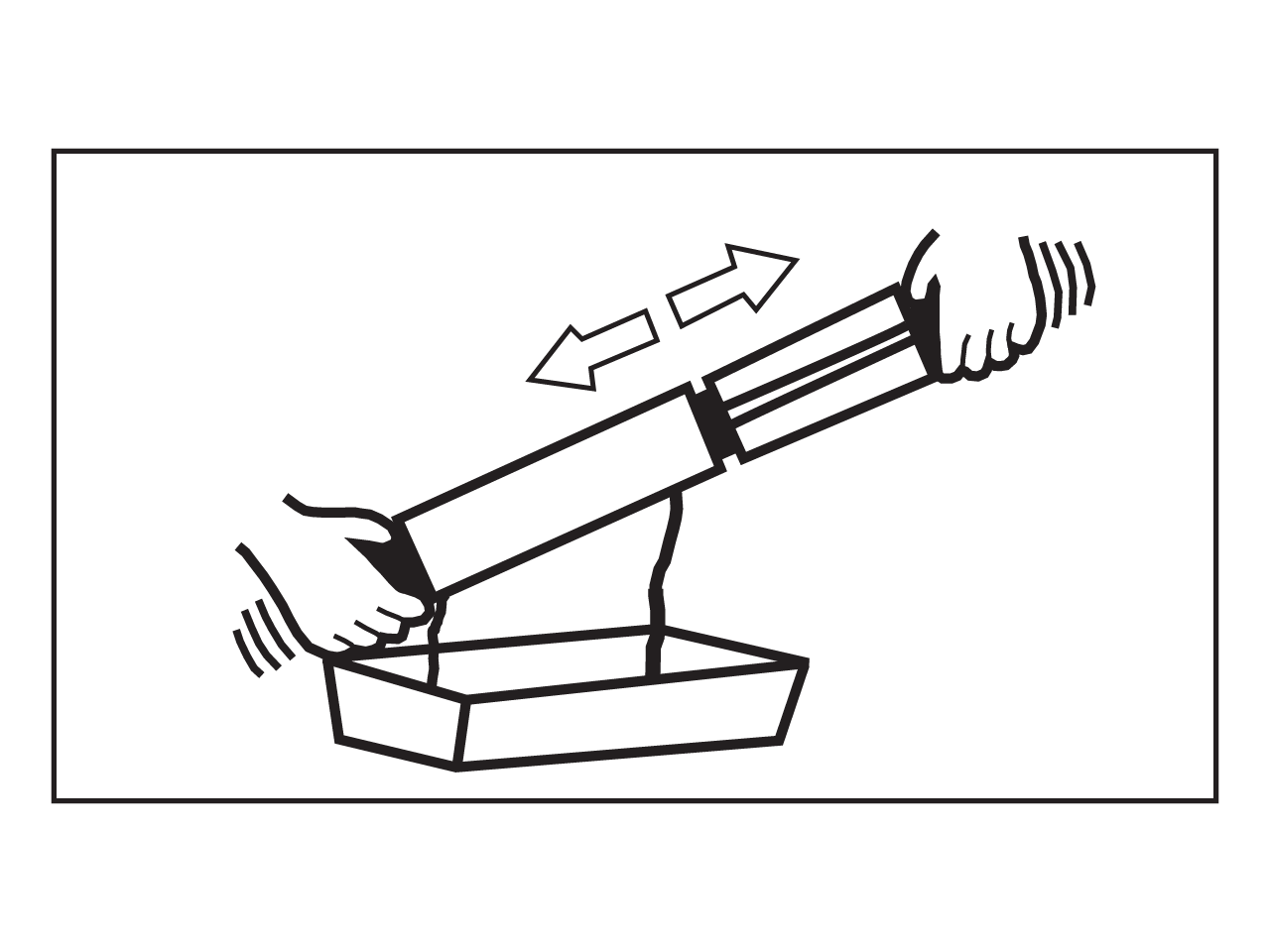
- Drill two additional 1⁄8" holes at (b, 1" from the top) and (c, 11⁄2" from the bottom) to remove the oil (go to step 9).
- Move piston rod up and down to accelerate oil removal.
- The shock absorber oil needs to be disposed of in an appropriate container (to be treated like motor oil) in accordance with U.S. Waste Disposal Laws.
- Check with the local authorities for information about where the oil and remaining parts should be disposed of.

Section C - Shock Absorber and Strut Oil Storage and Recycling Instructions
- Underground tanks with a capacity greater than 110 gallons used to store waste oil are subject to existing U.S. EPA regulations for underground storage tanks. The regulations include leak detection, corrosion protection, and spill/overfill requirements.
- Do not mix oil drained from scrap units with used motor oil or any other wastes.
- If there is a spill or release of used oil to the environment, stop the release and contain the oil. Clean up and manage oil spill residues properly.
- Used oil must be transported by a licensed waste oil hauler to a reputable oil recycler. The waste oil hauler and the oil recycler must each have a U.S. EPA identification number.
- To find a used oil recycler in your area, contact the National Oil Recyclers Association. To check the status of your states used oil program, contact your state’s used oil program office.